 |
 |
|
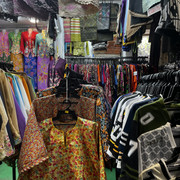
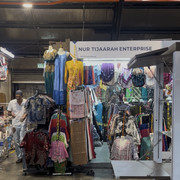
As I put my pace towards the corridor that stretches in a long direction, it feels like stepping into a secret hole, a hideaway that only the locals would know about. Although it could be categorized as a tourist attraction located at the heart of a heritage town, the long parallels of colors and textures scattered on each side definitely dug out my eyes from the usual humdrums of life. Accessories arranged in neat rows, patterned dresses and graphic t-shirts looked almost dim under the lights that casted a warm glow over them.
The atmosphere is almost busy but not as overwhelming. You would usually find yourselves in night markets where loud music and raucous salesmen grating their throats out with promising words of the items they sell, splitting your ears in two. However, calm washes over chaos with only the sounds of rhythmic footsteps, quiet wind passing through and the slow rustling of clothes being moved along the racks. The bazaar feels like a genuine place for browsing and spending time in.
Striding even deeper into the corridor-hallway, I got significantly engulfed by the atmosphere, everything became familiar and comforting. I’ve visited this place plenty o’ times before since I was a child but there is no doubt that anybody visiting this place will catch a glimpse of nostalgia. The repetition is nothing of boredom, each stall blends into the next and yet subtle differences in colors and product displays make every shop feel unique.
The bazaar stands out as its own authentic marketplace, not a carefully curated space, not a megaplex mall. It’s organic and down to earth, a place where locals could find the common ground beside tourists and shop products with equal affordability and variety rather than luxury branding. There is no rush here, relax and slow down. Observe
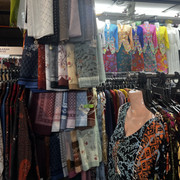
Clearly enough, clothing almost dominates every corner of the bazaar. The clothes can’t be compared with the posh quality of high fashion brands, nevertheless the unintentional elegance of the clothes from which the culture they belonged to are, however, undeniable. As I mindlessly browsed through loose blouses, long dresses, batik fabrics and pajamas in one stall, I noticed a pattern where similar things appear consecutively throughout the walk. I guessed it reflects the common lifestyle for our local people where in this climate, comfort is as important as style.
In almost every stall, I admired the harmonious arrangement of fabrics and clothes that are stacked together in high piles or laid down on tables which created a plethora of colorful mess. Without the mess, the bazaar won’t have as much depth and character. This is where authenticity belonged and this bazaar seems to possess heritage authenticity where the products sold are still handmade rather than mass produced fast fashion. The products are not only for collectors either, these are actual functional clothes, handbags, and accessories that can be a part of an everyday attire.
Who knew the accessories can be as appealing too? I can name a few people who would be eager to shop here for jewelleries. The bazaar apparently has a few discoveries that can be found in some stalls. Scarves hanging in rows, bags lining up, belts, hair clips and jewellery were cluttered at the corner section of stalls. Simple items like these could be taken home as memories, kept in collections but wouldn’t it be more appealing to show off to your friends what you bought at the “street market”?
Fashion stalls might have dominated the space but what about the crafts store? Between these stalls, you could have the chance to encounter a stall with almost everything handcrafted practical goods. Maybe you won’t find what you’re looking for here, but in the distance between stalls, you might find something useful anyway.
Penang Bazaar has often received a streaming flow of visitors, especially during its peak days or holidays. Watching people move along the corridor is nothing new, some could be locals and a few tourists trailing their steps along the shops.
Locals move with more confidence and a clear purpose for which item to purchase. Tourists however, are still slowly taking in the local air as it flows into their bloodstream, of which the molecules then ignite their brains to be in awe of our cultural products.
It shouldn’t be a need to assimilate with the locals but it’s necessary to understand these kinds of places first before visiting.
Getting into the full bazaar experience, it is recommended to visit during late morning or afternoon. People should not expect for all of these stalls to be fully open during the early morning. It is quite the standard here for shops to open between the late mornings as early as 10 AM to 11 AM. Unless the plan is to visit during its peak days when the shops MIGHT open earlier than that.
Like going to malls and other types of markets, wear comfortable shoes. Exploring in the market requires an intense walking routine, your feet deserve better than having blisters. Moreover, it is absolutely recommended to wear lighter clothes, since the bazaar is indoors, the humidity won’t be nice at all.
A lot of these shops have existed since before our time, and many of them still operate on cash. Prepare a sufficient amount to pay for any cash payments. A small sum of money is still better than nothing.
Bargaining is okay, these sellers can be generous to accept bargains to a certain degree. They are friendly, more than happy to assist you and patient enough to accept rejection but bargaining can differ on each seller.
Take a dip into these shops, dive happily, make random purchases but the most important thing is to take it slow. Walk the long row, notice the patterns and sink into nostalgia. These items may not interest you, but all you can do is to appreciate them. Anyone who seeks a quiet and meaningful travel experience and is also a shopaholic should give themselves a chance to visit Penang Bazaar to observe its culture, authenticity and daily life of locals in the purest basic form of a marketplace.