 |
 |
|
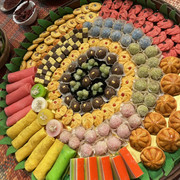
Penang, a historical place with its many attributes and colors. Not only that, the island is also known as the paradise of food. From street food to mamak delights, Penang has been more than often crowned the country’s food capital. At least, there is one particular place in the heart of Georgetown, a place that celebrates Penang’s culinary heritage albeit in its own special way. Introducing, Wonderfood Museum
Unlike your typical museum, Wonderfood doesn’t take part in showcasing dusty antiques or monotonous experience. Instead, it welcomes you to a world where food is larger than life, both literally and figuratively. Imagine a gigantic bowl of char kuey teow, massive plate of nasi lemak and other towering replicas of local favorites that would make stomachs grumble immediately, even though you know they’re all made of fiberglass.
This isn’t just a place purely for aesthetic and striking photos (although most of them are). It’s a love letter to Malaysian’s multicultural cuisine, crafted through creativity, realistic imitation and the joy of eating.
My first step inside Wonderfood Museum felt like walking into Wonderland. How things go big and small, from tiny people to a life sized bowl of cendol. The transition from the bustling streets of Georgetown to the quiet stills of food heaven is transcending. Instead of finding artifacts with whispering shadows of the past, I found quirky props, imaginative sceneries, and a layout that practically invites everybody to interact with the displays.
It is not a traditional museum, although it touches upon the backgrounds of local food, the museum displays artworks with stories of which could be relatable to the local experience. Dioramas of the night market, nasi lemak hawkers, a spread of traditional food for each ethnicity. You get to experience Penang’s food culture through portrayals of dishes and stories that are modified to a more fun and exaggerating scale.
The thing about this museum is that it doesn’t just tell stories about food, it presents a timeline chronologically of the culture in Malaysia and how our cuisine is interwoven together with everything that wrapped its history.
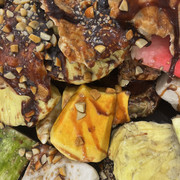
The details in these replicas are absolutely astonishing, they looked too good not to be edible. I caught myself tilting my head to peer into the glass, just so I could take in the details. They’re all exactly like how I remember they looked. Realistic, colossally realistic. These caricatures are a great way to introduce to those who haven’t heard of these staple dishes, even for me, a local Penangite.
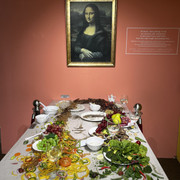
It’s very easy to fall into assumptions that this museum exists primarily for Instagrammers (quite true) but the interactivity is what makes this museum more than just a museum, it’s a playground for creativity and imagination. Inside the museum, you can also find other interesting sections without historical ties, but as entertaining setups for eccentric artistic showcases. Scenes to remind us that food is not just to fill stomachs and survival, but as a universal experience, where everybody has the chance to draw opinions out from taste. Each exhibit gives a nod to the cultural background of the prominent culture in Penang. Every dish has its own roots whether it is Chinese, Malay, Indian or Peranakan and each piece is not a detached, separate piece of its own but every food display has some sort of relationship with each other. Mingling of culture and traditions shaped what’s on the plate today, a melting pot of diversity.
Towards the end of the walkthrough, the museum leads into the space where you can create your own moments. There are cut out boards, props and setups that invite you to be a part of the fun. In the Most Expensive Food Exhibition, I imagined a row of gold adorned aristocrats dining, supplying their mouths with a bite of gold sprinkled, chocolate covered bacon. And I stayed on the outside, observing. There was also a wooden stall display, supposedly selling nasi lemak, with barrels of rice and bags of bread on the top shelf. I imagined there was an actual seller who had just dropped everything and scurried away.
You might be asking, should I spend the minimum of 20 bucks as part of my Penang trip at an attraction that’s basically oversized fake food? I mean, duh, yes.
First of all, it’s uniquely Penang. While other cities have food museums, you won’t expect to find the same creativity that brought local dishes to life. Second, it’s fun. If you consider yourself to be a fun person, don’t miss the chance of visiting a place that is as delightful and fun here. Engage with your inner child. Third, it expands your view on local dishes. After eating laksa five times or falling in love with ais kacang, seeing them in an artistic form strengthens your connection to the culture, furthering your appreciation to the flavors and the masterful skills needed to craft these foods.
Also, even if you’re not a foodie, the museum magnifies the topic of gastronomical history. Making it more approachable, exciting even. As it reminds that food is also a central part of a community which unites and deepens our connection.
If you do decide on visiting, bring sufficient money. Unless you’re a student or a senior citizen, you pretty much have to pay (deservedly) the amount the museum requests. Once you enter, please take a careful amount of time to observe the exhibits. Appreciate the artistry, and don’t rush on smaller details. Take your time to read the information accompanying the art pieces. Those details are easy to miss but if you manage to catch everything, the experience will be much more complete.
So, don’t wait or keep on guessing. Drag your feet to the wonderful world of Wonderfood Museum. Some chances are better to give than passed on.